Healthy communities are built on trust, respect, and the ability to address disagreements constructively. In a diverse Nigerian community in Togo, differences can arise between individuals, families, associations, or groups. Community mediation offers a calm and respectful way to listen to all sides, clarify the facts, and search for a practical solution before a conflict becomes more difficult to manage.
Mediation is based on dialogue rather than confrontation. It gives each person an opportunity to explain their concerns and understand the other perspective. A neutral community representative can help establish respectful communication, identify the real source of the disagreement, and guide the participants toward an agreement they can accept. The process is especially useful for misunderstandings involving community activities, shared responsibilities, communication, or relationships between members.
Effective mediation does not replace the police, courts, public authorities, or professional legal advice when those services are required. Instead, it provides an early community response for situations that can be addressed through conversation and cooperation. Confidentiality, impartiality, and respect for the law are essential throughout the process.
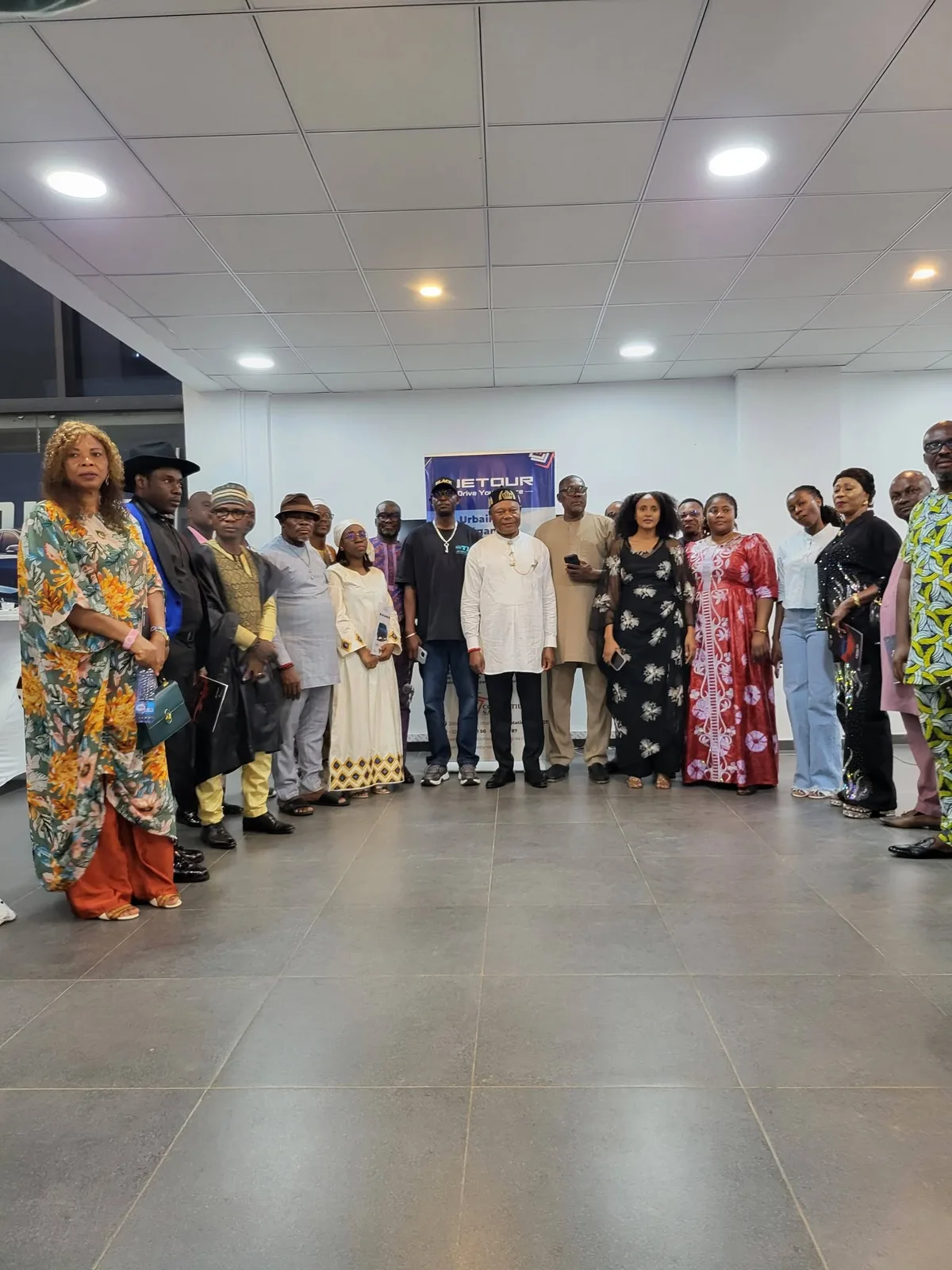
Hon. Babalola Temitope Babalola promotes community cohesion by encouraging peaceful conflict resolution among Nigerians in Togo. When members choose dialogue, they protect relationships and preserve the unity of the wider community. A culture of mediation helps families, youth, professionals, and associations work together with greater confidence while supporting a safe and respectful Nigerian community in Lomé.